A Note on the Tates
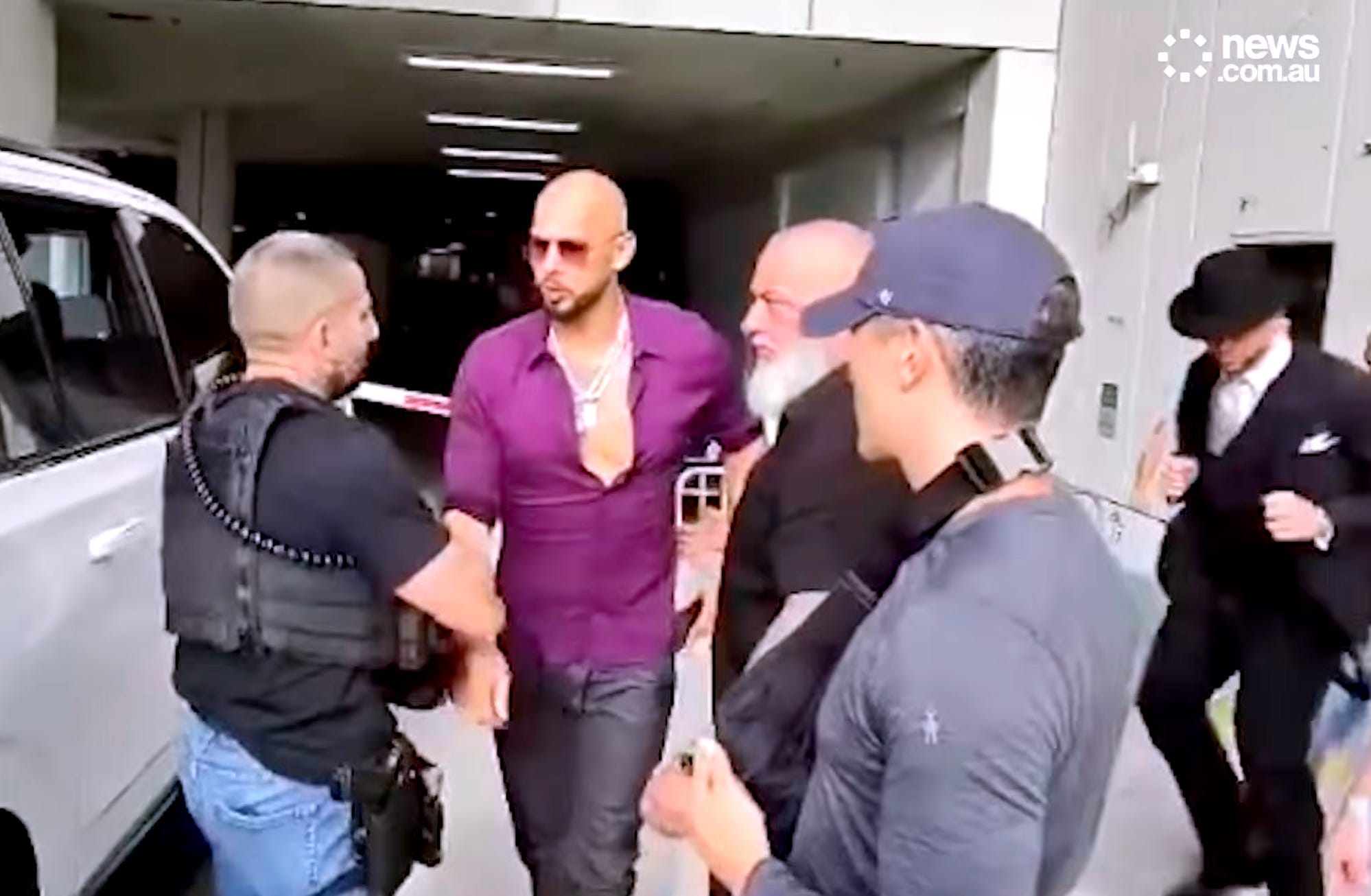
People often ask why the Crown Prosecution Service waited until now to charge them, and there's actually a pretty decent answer to that question:
Back in 2019, a coalition of women's groups commissioned a study that showed that less than 4% of women who reported a rape case could expect to see it go to trial. As a result, Her (His now, I guess) Majesty's Crown Prosecution Service Inspectorate (HMCPSI) released a report on the Crown Prosecution Service's failure to adequately address people who were victims of sexual assault. The report is incredibly damning, showing that since a similar report in 2016 by Her Majesty's Inspectorate of Constabulary and Fire and Rescue Services (HMICFRS), "there has been a 42.5%2 rise in the report of rape allegations to the police and a 22.6%3 decline in the number of rape cases charged by the CPS." (Pg 11. Section 1.8) This is a pretty alarming trend. Obviously, if the reports of rape are on the rise, you would expect the number of rape cases charged by the CPS to similarly rise. But, due to a number of factors this wasn't the case. I would go into those factors, but first: Things Get Worse.
The fuck-ups of the Crown Prosecution Service were actually much deeper than what the HMCPSI report revealed. It turns out, the CPS had commissioned their own internal review on the handling of the same subject, which they failed to inform the HMCPSI of during their external review of the CPS. That internal review has considerably worse numbers, and paints a much grimmer picture of the situation. And to make things even worse, the CPS has refused to release that internal report, even under Freedom of Information requests, with the excuse that it's would hinder how they handle cases or something absurd like that. Apparently The Guardian got a copy of it, or part of it, which is how we know it exists. According to them:
- "Prosecutors made disproportionate requests in more than half (56%) of administratively finalised cases examined.
- Almost two-thirds (65%) of rape cases referred by police to the CPS for early investigative advice (EIA) had disproportionate requests for information.
- Police failed to complete all actions asked for by prosecutors in more than three-quarters of cases (78%).
- In all cases referred by the police for EIA, they were seeking a decision to drop “exceptionally weak cases”. This accounted for a third of all administratively finalised cases."
By "disproportionate requests for information," what they mean is, prosecutors would demand huge amounts of data from investigators, whether or not those materials were known to exist. When they didn't receive those materials, they would decline to prosecute the case. For example, they would demand 999 calls from people who never called 999, and when they didn't receive the records of the call that didn't happen, they would decline to prosecute. Or they would ask for the contents of a suspect's phone, when the investigation showed the suspect didn't have one, or destroyed it (or what-have-you) and decline to prosecute when the investigators couldn't turn it over. Even worse, they also would demand all the data from the victim's phone. Imagine, you go to report that you've been raped, the police demand that you turn over your phone so they can download all of your data off of it, and then inevitably botch the case anyway. The last thing I would want to do after being violated is hand over that much intimate data to the police! Christ!
To make things even worse (how many times have I said that now?) the internal review found massive problems with the way the police handled their side of the investigations:
The report also reveals concerns about police actions. It found almost two-thirds of cases were of “poor quality”, which “indicates that the police are using the CPS as gatekeepers to quality control their files rather than undertaking proper supervision themselves”. The report also found police were “failing to respond whatsoever” to appropriate requests for more evidence in 75% of cases.
Between the two reports, an absolutely dire situation comes into focus. The police would do shoddy work, fail to collect evidence, and botch cases by relying on prosecutors to hold their hand through the entire process, something those at Crown Prosecution Service were unlikely to do. And when the police didn't botch cases, the CPS would step in and fuck it up on their own by demanding evidence that doesn't exist, or just dropping the case outright because they didn't think it would make it in court, and they didn't want to affect their clearance rates.
Ultimately, it's really not surprising that charges were never brought against either Tate back in 2014-15. There are fairly obvious historical reasons for it! Given that there is no statute of limitations on these kinds of crimes there, it's also unsurprising that the UK is now trying to save some face from this fiasco by going after a high profile creep like Andrew Tate. Doubly so when you look at how much he has gloated about the UK being a failed state who don't have the ability to touch him. He very much brought this upon himself, in every way you can imagine.
Speaking of "high-profile," if we go back to the original report from the HMCPSI, it also says "there have also been a number of high-profile cases which have called into question how the CPS is handling and assessing evidential and unused material in rape cases." (pg. 11, section 1.8, same paragraph as before). I'm not sure exactly what these "high-profile cases" were, but the report was published in December of 2019, and the Crown Prosecution Service had just declined to pursue the charges brought against Tate in Herefordshire Constabulary from 2014. It had taken them nearly five years to decide that they wouldn't be pressing charges. In that five years, the Tates moved to Romania and massively scaled up their trafficking operations. The whole situation ends up as a kind of microcosm of all the problems that were found by HMCPSI: massive delays, incompetent police work, and ultimately the prosecutors declining to do their job.
Now granted, Tate was not exactly "high-profile" in 2019. He was off in Romania running his webcam trafficking empire at that time. But, the charges that were declined by the CPS in 2019 were the charges brought against him in 2014, when he was a contestant on Big Brother. So, he was fairly high profile when the process began. Therefore, it seems to me that at least some small part of why the HMCPSI began their investigation of the CPS had to do with Andrew Tate.
Hopefully this brief look at the utter failure of the UK's justice system to assist women who were victims of sexual violence helped explain why they failed to protect the victims of the Tate brothers (and why charges are being pursued against them now.) A lot of people out there seem to be convinced this is entirely motivated by Tate's political messaging, that the charges being brought by the UK are fabricated. The sick joke of it all is that, even if you were to fabricate evidence, you would have a very hard time getting those charges to stick. The reporting around the HMCPSI investigation proves that out.